


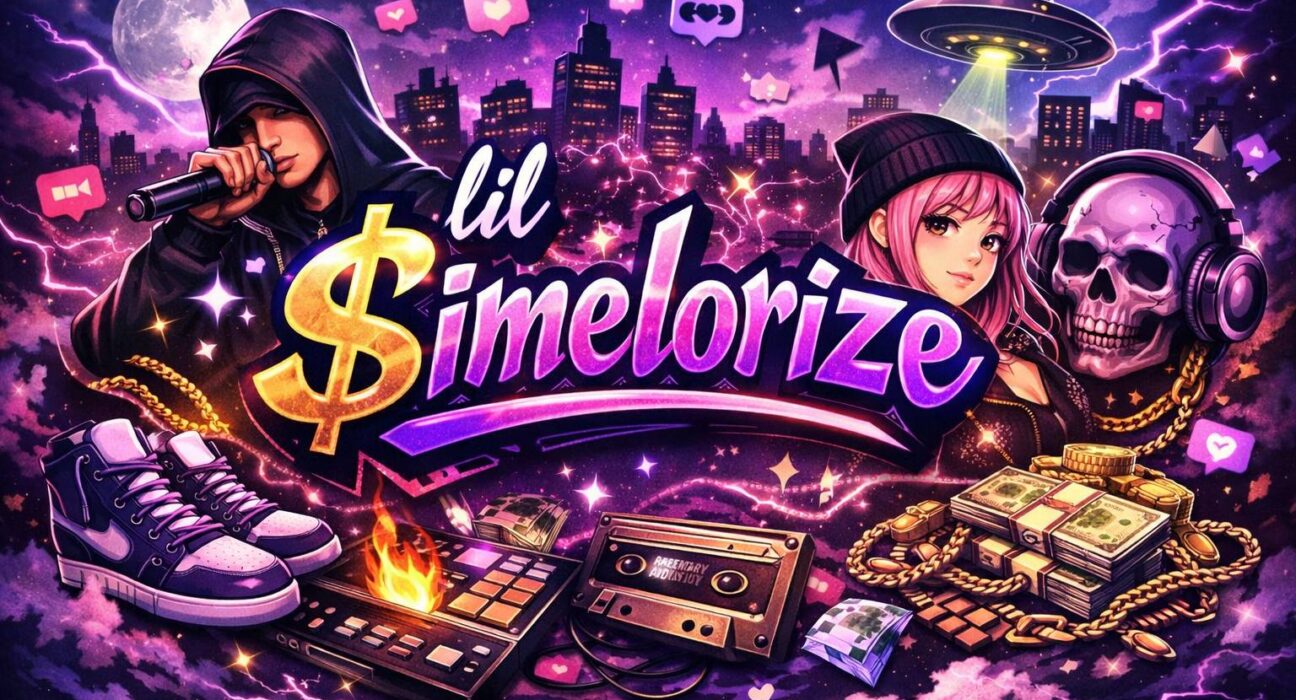
The term lil $imelorize appears in online searches as a name connected to underground digital music culture. In many cases, names built with “Lil” and stylized symbols are used by emerging rappers, internet personalities, or experimental creators who distribute music through platforms such as SoundCloud, TikTok, or small streaming communities. Because these artists often operate outside mainstream labels, information about them tends to be fragmented across social media profiles, fan discussions, and independent releases.
For readers trying to understand the name, the key question is not only who the person is but also how internet music scenes function. Modern underground rap communities frequently develop around niche audiences, DIY production, and rapid online distribution. When a name begins circulating in searches or forums, it usually reflects growing curiosity about a creator’s identity, style, or influence rather than an established public profile.
What is lil $imelorize and why are people searching for it
In most cases, lil $imelorize refers to a digital artist name rather than a widely documented public figure. Many emerging rappers adopt distinctive spelling and symbols to create a unique identity online. This approach helps separate them from thousands of similarly named artists while also signaling membership in underground music culture.
Search interest often appears when listeners encounter a track, clip, or reference on social media but cannot find detailed background information. Unlike established musicians with official biographies, early stage creators may only have scattered uploads, reposts, or community mentions.
Another factor is the culture of discovery within independent rap scenes. Fans actively search for new voices and obscure artists. When a name surfaces repeatedly in playlists, remix threads, or comment sections, curiosity grows quickly.
A common mistake is assuming every trending name represents a major artist. In reality, many underground performers remain small yet influential within specific micro communities.
Where did lil $imelorize originate from online
Most underground rap identities originate through digital platforms rather than traditional music industry channels. Artists often begin by uploading tracks to independent streaming sites, sharing snippets on short video apps, or collaborating with other small creators in online collectives.
These communities function almost like informal networks. Producers, vocalists, and graphic artists contribute beats, verses, and cover art. Over time, certain names gain recognition within these circles because of distinctive sound, visual style, or collaborations.
The use of stylized spelling and symbols also reflects internet culture. Names with characters such as dollar signs or altered vowels became popular in trap and experimental rap scenes. They help create a visual identity that stands out in search results and music libraries.
However, early stage creators frequently leave a limited public record. This means listeners may find music clips or references without a full biography, making evaluation more difficult.
What defines the style and identity associated with lil $imelorize
Names built around the “Lil” format are strongly connected to modern hip hop traditions. While the prefix originally appeared in earlier rap eras, it became widely adopted in internet driven music communities where artists create distinctive personas around their stage names.
The identity often includes several recognizable elements. These may include self produced tracks, experimental beats, short releases rather than full albums, and heavy use of social media for promotion. Visual branding also plays a role through cover art, profile graphics, and stylized typography.
Another defining trait is flexibility. Underground artists frequently experiment with sound rather than staying within one strict genre. A single creator might blend trap rhythms, melodic rap, and digital distortion effects in different releases.
Listeners should remember that early stage artists often evolve rapidly. The sound associated with a name today may change significantly within a year as the creator develops new production skills or collaborations.
Is lil $imelorize an artist, a persona, or an internet concept
At this stage, it is useful to treat lil $imelorize as a digital identity rather than a fully documented public figure. In underground music culture, the line between a performer, a brand, and an online persona is often blurred.
Some creators intentionally keep personal details minimal. The focus stays on the music or the aesthetic rather than biography. This approach allows artists to experiment freely without the expectations that come with mainstream recognition.
There are also cases where a name becomes more of a community reference. Fans might share edits, remixes, or meme content connected to the identity, expanding its presence beyond the original creator.
Because of this dynamic environment, verifying information can be difficult. Reliable evaluation usually requires examining consistent releases, confirmed profiles, and collaboration history rather than relying solely on reposts or rumors.
How should audiences evaluate emerging underground figures like this
When encountering a new name in underground music culture, the most effective approach is careful observation rather than quick conclusions. Start by identifying whether the artist has official profiles on streaming platforms, music distribution services, or social media.
Listening to multiple tracks is also important. Early uploads may vary significantly in quality, so judging a creator based on a single recording can be misleading. Patterns in production style, lyrical themes, or collaboration networks often reveal more about their artistic direction.
Another practical step is checking whether other creators reference the artist. Collaborations, remix credits, or playlist placements can indicate that the name is gaining recognition within a specific community.
Finally, it helps to separate curiosity from hype. Internet culture spreads names quickly, but long term relevance usually depends on consistent releases and audience engagement rather than short bursts of attention.
Conclusion
Understanding lil $imelorize requires looking beyond the name itself and examining how underground internet music scenes work. Many emerging artists build their presence through small digital communities, independent uploads, and distinctive visual identities. Because these creators often operate outside traditional industry structures, reliable information may appear slowly over time.
For listeners and researchers, the most productive approach is observation. Track releases, collaborations, and platform activity rather than relying on scattered mentions. As with many early stage artists, the identity may develop gradually as more music and public presence emerge.